CENTIPEDE,
GIANT
(Scolopendra
ultralongus)
Bite 12W+3, Pinch (with
hind legs) 5W+1, Chitin +4,
Dig 5W, Fearless 15W, Hear Prey 10W, Hide in Cover
8W, Large 12W, Scuttle
Quickly 5W, Strong 12W, Tough 12W
Venom: Lingering (5-15 minutes), Lethal,
Potency 10W
Distribution: Troll lands
Habitat: Forest, jungle, rough terrain
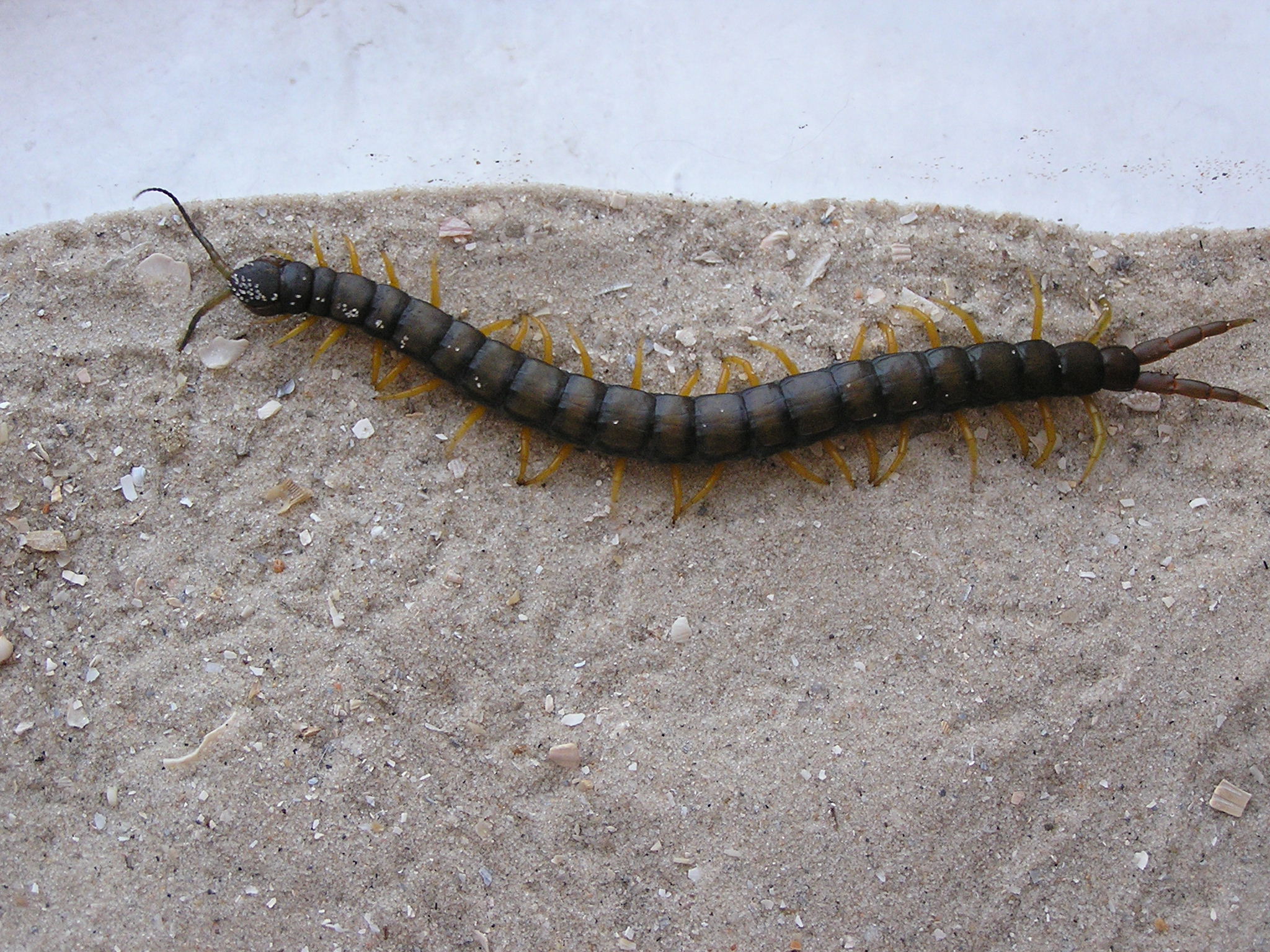
Long, amber-coloured, segmented arthropods, giant centipedes hide in underground burrows during the day and come out at night to hunt. They will eat almost anything that moves, and are too unintelligent to be easily frightened. They are the largest of all giant arthropods, except possibly for some deep-sea crabs, and can reach thirty feet or more in length. They have poor eyesight, and detect prey with their acute sense of hearing.
A giant centipede lacks the intelligence to use more than the most basic of tactics. It will stab the target with its fangs, and inject its venom, then eat the prey on the spot if the venom takes effect. If the venom is ineffective, the centipede will continue to bite, and, in fact, will continue to live and move even if up to a quarter of its body is hacked off, so long as the head remains intact. The centipede can also attack with its rear pair of legs, which are longer than the others and can act as pincers. It cannot attack a single target with both the bite and hind legs at the same time, however.
GRAMPUS
(Mastigoproctus
grampus)
Claws 8W+3, Spray Acid
15W, Acid 2W, Chitin +4,
Ambush 12W, Hear Prey 8W, Large 8W, Strong 18W
Distribution: Kethaela, Guhan, Halikiv, Errinoru, Jrustela
Habitat: Forest, jungle, swamp
These strange arachnid predators resemble maroon-coloured scorpions save for their shorter (but still deadly) claws and their whip-like, stingless, tails. They have eight legs, but walk on only the hind six; the front pair being used to probe the ground ahead for obstacles, as the animal has only poor vision. A gland near the base of the tail can spray acid onto an attacker. Female grampuses lay their eggs in caves or other sheltered locations, and fiercely protect their offspring until they are large enough to fend for themselves.
The grampus leaps onto its prey from cover (augment the first attack only with the Ambush ability), seizes it in its claws and tears it apart before eating it. When alarmed, the grampus will immediately spray the attacker with acid, and then defend itself with its pincers as it tries to flee. The initial acid attack is resolved as a quick contest using the grampus' Spray Acid ability. If successful, the acid will burn into the victim, and any clothing or armour they may be wearing.

PERIPATUS,
GIANT
(Peripatus
mucophilus)
Bite 2W+2, Squirt
Glue, Stickiness (of
glue) 8W, Thick Hide
+2, Fear Fire 18, Hide
in Cover 10W, Large 5W, Nimble 5W, Strong 5W
Distribution: Errinoru, Sozganjio
Habitat: Jungle, swamp
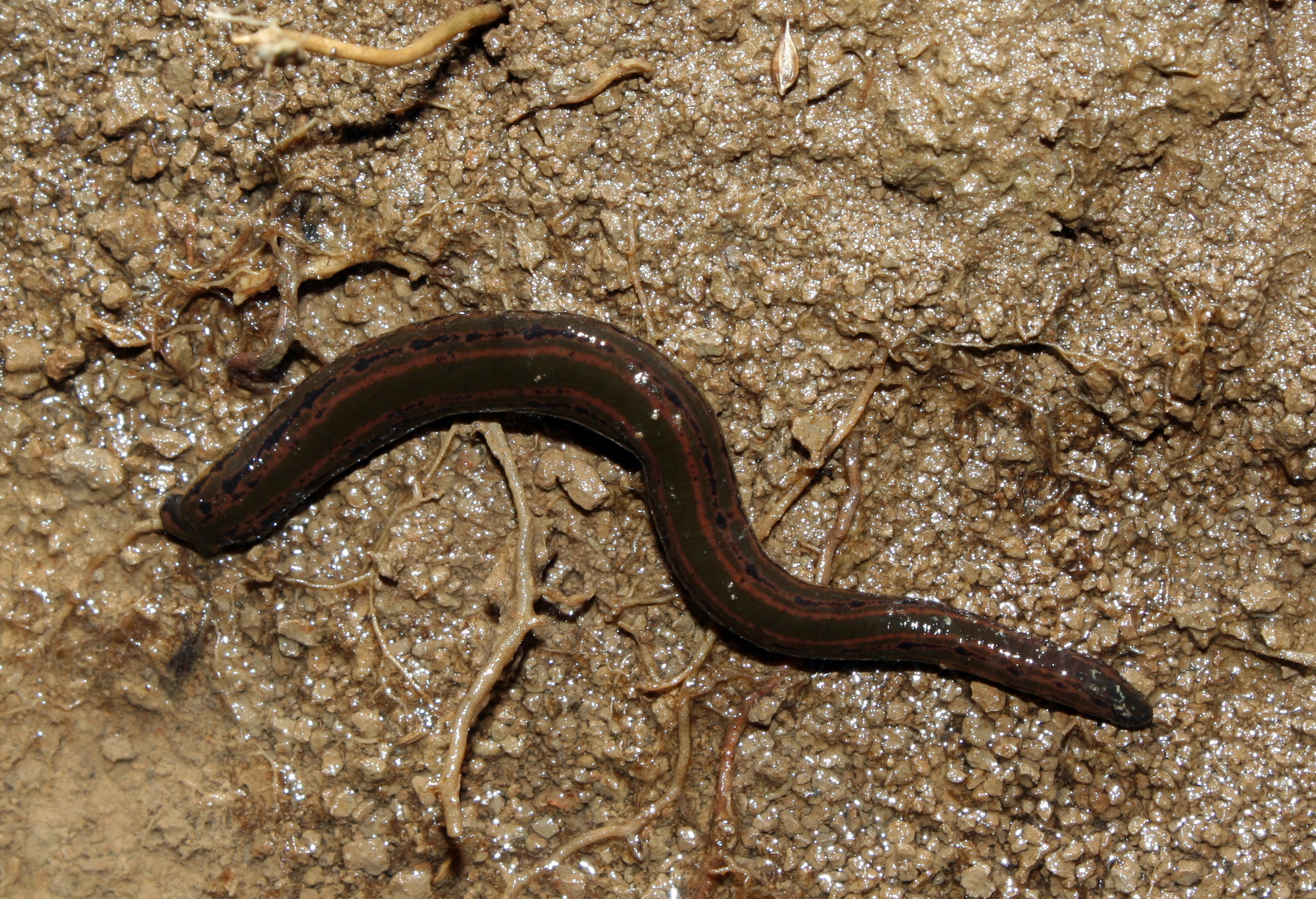
A peripatus is an elongated animal, resembling a cross between a worm and a centipede. It has orange-coloured, velvety skin, multiple stubby legs and a pair of antennae on its head. They are carnivores, but feed only on small animals such as rats, rabbits and the like. They do not like to dry out, and, unless very hungry, will hunt only during a heavy rainfall (a common event in their native habitats). Peripati fear fire, as it may dry them out. However, the fire has to be large to seriously alarm them; they will not be frightened by a typical lantern, for example. They give birth to live young, but these do not remain with the mother for long.
When alarmed, the peripatus will spray adhesive glue from a pair of short tentacles near its mouth. The jets of glue can extend a remarkable distance; sixty feet is a typical range. The glue hardens almost instantly, to enmesh the target in a mesh of tough adhesive threads. To escape, the victim must defeat the glue's Stickiness with his Strength or other similar ability.

SOLPUGID,
GIANT
(Solpuga
hypotheticus)
Bite & Grapple 10W+4, Chitin +3, Agile 15W, Climb 18W, Dig 5W, Large 8W, Scamper Quickly 12W, Strong 18W, Tough 5W
Distribution: Wastes
Habitat: Rough terrain
These bristly carnivores are ferocious nocturnal arachnids about nine feet in length. They have eight legs, the first pair being used as tactile organs, and the remaining six to walk on. They also have a pair of long palps, which they hold out in front of them as weapons, and two pairs of powerful jaws. Each of their palps ends in a powerful sucker, which enables the creature to climb sheer surfaces with ease. Solpugids avoid the sun, hiding in their burrows during the day. Female solpugids lay their eggs in shallow burrows.
If tackled in the daylight, the solpugid will attempt to flee at the earliest opportunity. In darker conditions, or when protecting young, however, it will use its sucker-tipped palps to grapple with the opponent and to knock weapons out of the way, then bite repeatedly to tear apart the victim. Solpugids can run backwards as rapidly as the can forwards, and will often use this ability to rapidly disengage from a combat, although usually not without delivering a parting shot.
SPIDER,
GIANT
(Araneus superbens)
Bite 5W+2, Chitin +3,
Climb 15W, Ensnare with
Web 8W+5, Glue (of
web) 18, Hide in Cover
8W, Large 2W, Scamper
Quickly 5W, Sense Prey 10W, Strong 8W
Venom: Debilitating, Paralysing, Potency 10W
Distribution: Troll lands
Habitat: Forest, jungle
Giant spiders are amongst the most feared of the various giant arthropods found in troll lands. They spin great, sticky, webs between neighbouring trees and use them to capture prey. They are purely carnivorous, and will attempt to eat most types of creature which they can capture in their webs. Once a victim is captured by the spider, it will wrap it thoroughly in silk and may keep it alive (but paralysed) for days until it feels hungry. Giant spiders lay eggs, which they seal in silk until the young hatch. The young spiderlings leave the home web immediately after hatching, for spiders are such aggressive predators that they will readily resort to cannibalism when hungry.
Typical giant spiders spin a "hunting blind", covered in old leaves, sticks or other debris. When the prey wanders by, the spider shoots a spray of webbing, and ensnares the prey. Once the prey is immobilized by the webbing, the spider bites it, and injects the paralysing venom. If attacked and unable to spray web over its opponent, the spider will attempt to grapple and bite the intruder, or else will flee.

WOODLOUSE,
GIANT
(Oniscus
secundamensa)
Chitin +2 (+4 when rolled up), Hide 10W, Tough 18
Stench Attack: Debilitating, Nausea,
Potency 2W
Distribution: Dagori Inkarth, Kethaela, Halikiv, Jrustela
Habitat: Near water
Giant woodlice are unusual crustaceans with fourteen legs and a segmented, armour-plated, body. They are sometimes called pill bugs or roly polys by humans, for, when threatened, they curl their bodies up into a ball which is nearly impervious to attack. They are nocturnal herbivores, and are possess no effective means of attack. They are found only in damp terrain, for their undersides must remain moist in order for them to breathe. They scuttle away and hide in the presence of light and spend the day hidden in crevices or beneath boulders. They lay their eggs in water-filled brood pouches on their undersides, from which the young eventually hatch. Trolls sometimes use small, young, giant woodlice as sling ammunition. They prize slightly larger specimens are as a tasty dessert, while the biggest are generally ignored.
When attacked, the woodlouse will immediately roll up into a ball, increasing its armour ranking to +4 after the first attack. They will then emit a cloud of noxious vapour, which will affect any creature with a sense of smell within three feet, making them overcome with nausea for up to five minutes.