|
BARRACUDA,
GREAT
(Sphyraena
barracuda)
Bite 12W+3, Thick Skin
+2, Large 8W, Spot Prey 5W, Strong 10W, Swim Fast 12W
Distribution:
Marthino and Sshorg Seas
Habitat: Coastal
waters
The
largest of the species of barracuda, and the only one dangerous to man,
these
children of Golod pledged their loyalty to Tsankth in return for the
right to
eat the bodies of his foes. While the young may often be found in
shoals, the
adults are solitary. They hunt by sight, and are inquisitive enough
that they
will often approach boats or other strange objects. While some of the
peoples
of the East Isles hunt the smaller relatives of this fish for food,
adult great
barracuda are not very edible and are most commonly seen when summoned
by
followers of Tsankth.

|
|
DRAGONFISH,
GREAT
(Idiacanthus
rex)
Bite 8W2+4, Thick Skin
+4, Agile 18, Large
2W2, See in Dim
Light 18W, Strong 12W2
Distribution:
Worldwide
Habitat: Offshore
The
natural habitat of these creatures is the lightless depths, but the
Waertagi
are known to summon them and harness them to their ships, using magic
to
control them so that they provide an additional means of propulsion
during
times of low wind. They are great eel-like creatures, fifty feet or so
in length,
with scaleless, velvety black skin studded with phosphorescent glands.
Their
mouths are large and filled with an array of needle-like teeth, each
nearly a
foot in length. A long barbel dangles from the chin like a narrow
beard, which
only adds to their bizarre appearance. Only the females are used to
pull ships;
the males are smaller (Strong 5W2, Large and Bite 2W2 each) and of less
practical use. As a result, the captive females must
return to deep water to breed, and the waertagi are careful to release
them
from time to time and obtain replacements. Great dragonfishes are
exclusively
carnivorous, and feed on almost any creature that comes within range.

|
|
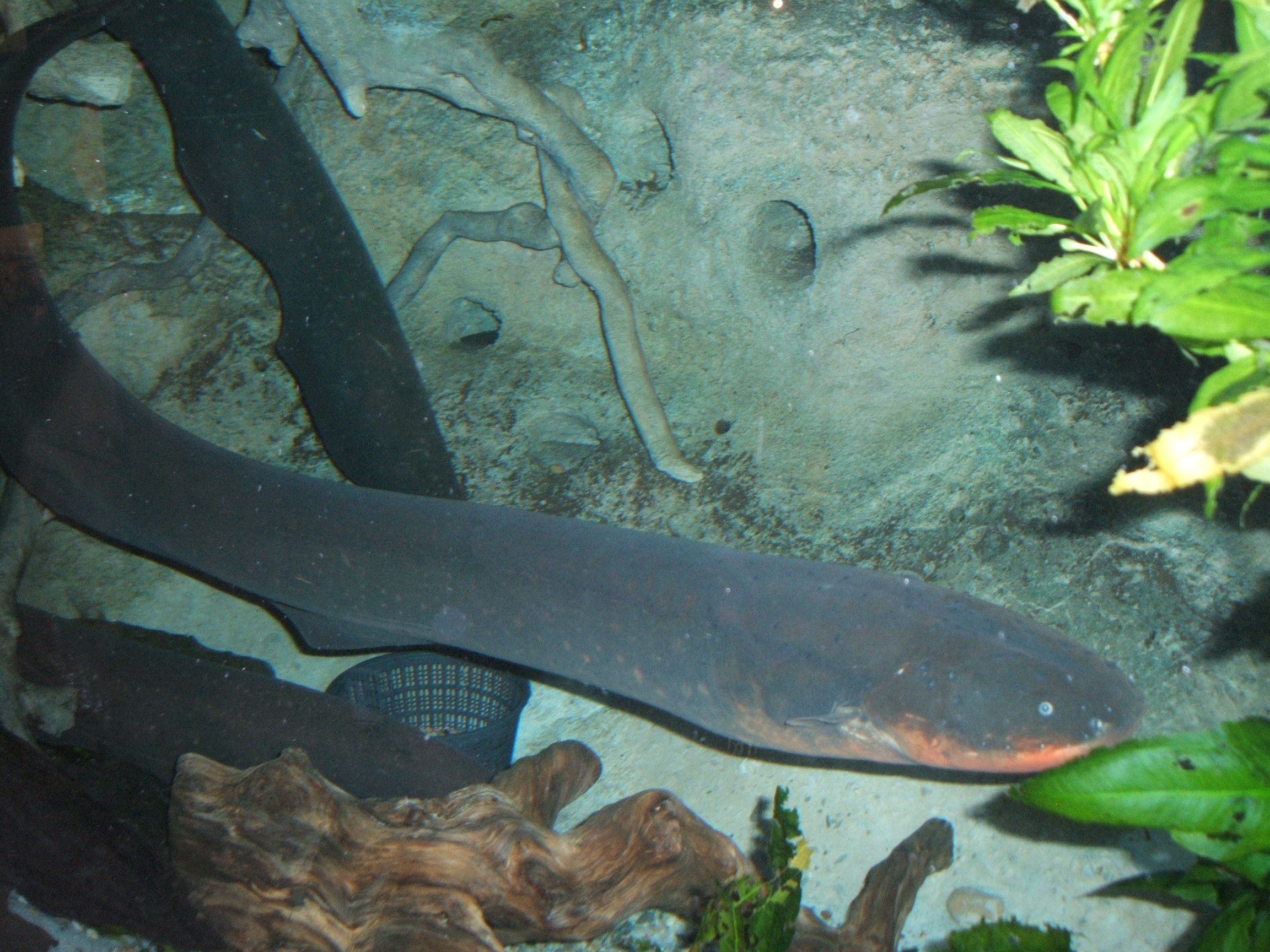
ELECTRIC
EEL
(Electrophorus
electricus)
Stun 2W, Dodge Attack 2W, Hunt Prey 5W
Distribution:Errinoru,
Jolar, Kothar
Habitat: Rivers
Electric eels are carnivorous freshwater fish up to about six
feet in length.
They use powerful electrical pulses to stun smaller fish which they can
then
swallow with their toothless mouth. When alarmed, the eel can also use
its discharge
defensively, and will successfully repel most predators.
To attack, the eel makes a simple contest of its stun ability against
the toughness or
other appropriate ability of the target. If it attains a minor victory
or
better, the victim is thrown back, temporarily stunned and Hurt. If the
victory is
only marginal, the victim is still stunned and thrown back, but does
not
suffer any injury. In either case, the eel will normally attempt to
make its
escape at this point.
|
|
OARFISH
(Regalecus
glesne)
Bite 10W+2, Thick Skin
+2, Agile 18, Large
10W, Spot Prey 5W, Strong 15W
Distribution:
Worldwide
Habitat: Offshore
waters
These
great fish dwell only in the open seas, far from the shore, where they
eat
fish, squid and other marine animals. Physically, they somewhat
resemble a
small sea serpent, but can be distinguished by their pug-faces, blue
skin and
brilliant scarlet fins. Typically they are twenty five feet or so in
length,
and possess the abilities described above, but individuals up to twice
this
size (Large and Bite 2W2 each, Strong 5W2) also exist. Normally
dwelling from 50
to 600 feet beneath the waves,
they sometimes come to the surface at night, or when magically summoned
by
mermen. Ysabbau have been known to tame the creatures and use them as
beasts of
burden.

|
|
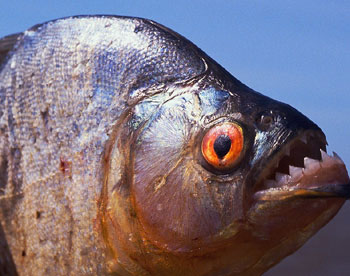
PIRANHA
(Pygocentrus
nattereri)
Bite 15, Sense Blood 12W, Small 12
Distribution: Fonrit,
Errinoru, Kothar
Habitat: Fresh
water
Piranhas
are large fresh-water fish, about two feet in length, that live in
tropical
rivers and which normally eat aquatic plants and other fish. They are
not so
dangerous as is commonly supposed, but can be driven into a feeding
frenzy by
the taste of blood in the water. A human or large animal which enters
piranha-infested water is normally safe unless it is bleeding, but the
fish can
prove aggresive in defence of their spawning sites, so that one or two
piranhas
may take small nips from the intruder, causing him to bleed into the
water with
dire consequences.
Individual
piranha are not a serious threat to a human-sized animal, but shoals of
dozens
of frenzied fish are a different matter. Such shoals should be treated
as
single opponent for combat purposes, although they may divide their APs
between
a number of opponents. A shoal would typically have 40 APs and a Bite
ability
of 15. Only when the entire shoal has been reduced to 0 APs will the
creatures
have been defeated; until then, feel free to describe more individuals
rushing
to join the attack as necessary. If an animal or human is overcome by
the
piranhas, they will reduce his body to a skeleton in a matter of
minutes.

|
|
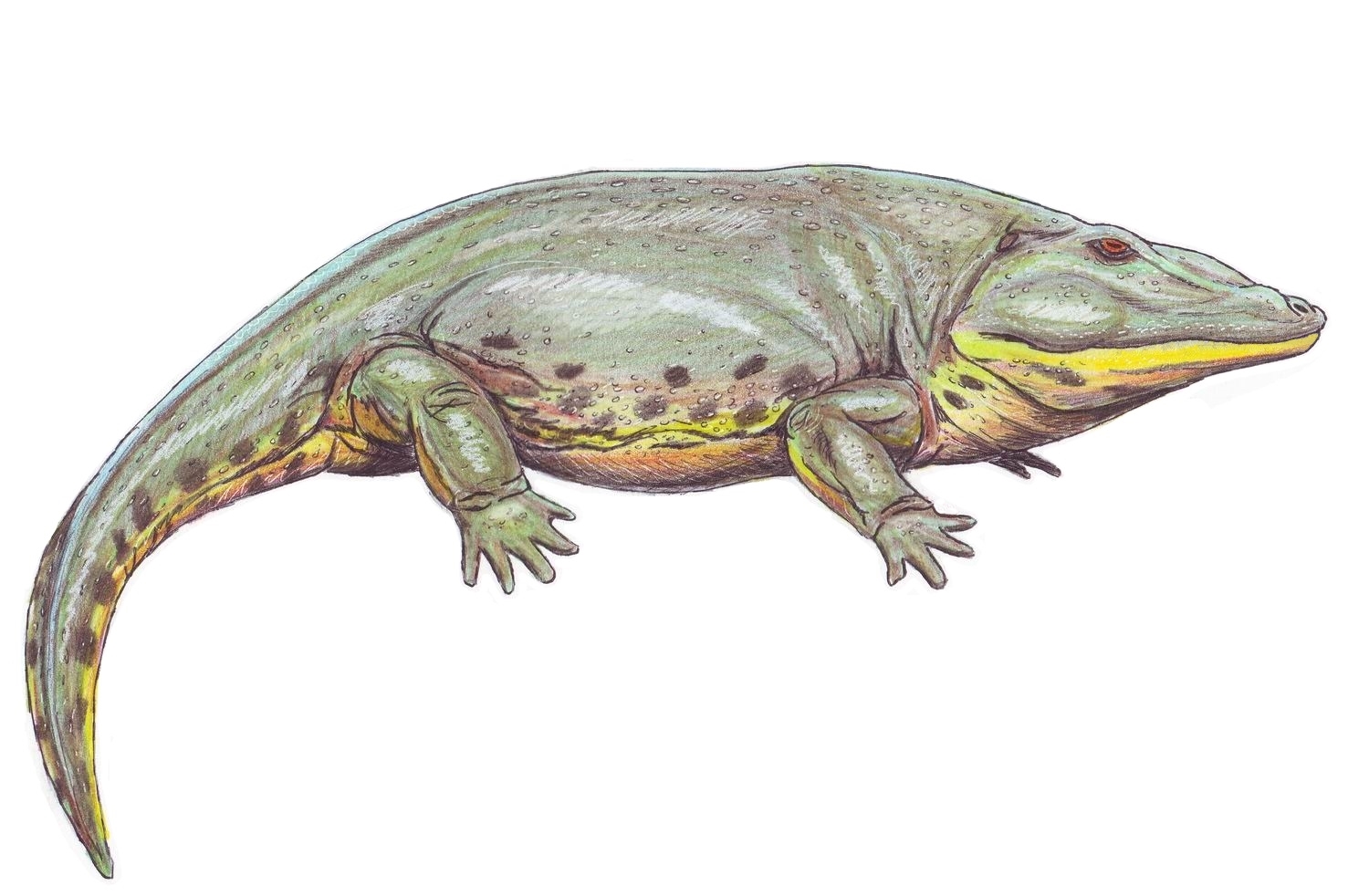
PLACODERM,
GREAT
TIGER
(Dunkleosteus
interfector)
Bite 15W2+5, Bony
Armour +6, Ambush 2W, Large 18W2, Scent Prey 8W, Strong 18W2
Distribution:
Togaro Ocean
Habitat: Coastal
waters
Placoderms
are armoured, carnivorous fish found in the Togaro Ocean.
Many are small, only eight inches or so in length, but a few species
are
man-sized or larger. Largest of all is the great tiger placoderm, so
named for
the black stripes on its tan coloured hindbody and tail. At sixty feet
or more
in length, this monster is perhaps the largest natural predator of the
Gloranthan seas, at least above the lightless depths. The great bony
armour
plates on its head and forebody make it clumsier than a shark, but at
the same
time mean that it needs fear no natural creature. A hinge separates the
armour
of the head from that of the body, so that it is more flexible than it
appears
at first sight, but even so, it does not move rapidly and spends much
time near
the bottom of shallow seas. Instead of teeth it has wide, shearing
plates set
into its mouth which can slice through all but the toughest of hides.
It
survives by eating sharks, small whales and marine reptiles. Unless
magically
coerced - thankfully an unusual event - it will generally ignore ships,
identifying them as largely inedible.

|
|
SEAHORSE,
GIANT
(Hippocampus
caballus)
Dodge Attack 18, Bony Armour +4, Forage 5W, Large 2W, Spot Predator
5W, Strong 8W, Swim Long
Distance 10W
Distribution:
Worldwide, except the Hudaro and Togaro
oceans.
Habitat:
Coastal waters
Unlike
the hippocampus, the seahorse is a true fish, albeit with a horse-like
head and
a long prehensile tail. Giant seahorses are large animals, and have
been
domesticated by both the ludoch and the malasps as beasts of burden.
They eat
smaller fish, which they are able to suck into their tubular snouts.
They are
not particularly fast animals, being prized by mermen for their
strength and
stamina, not their speed, but have thick bony armour beneath their skin
that helps
defend against attack. After mating, the male seahorse carries the eggs
in a
brood pouch on his abdomen, from which the young eventually swim.

|
|
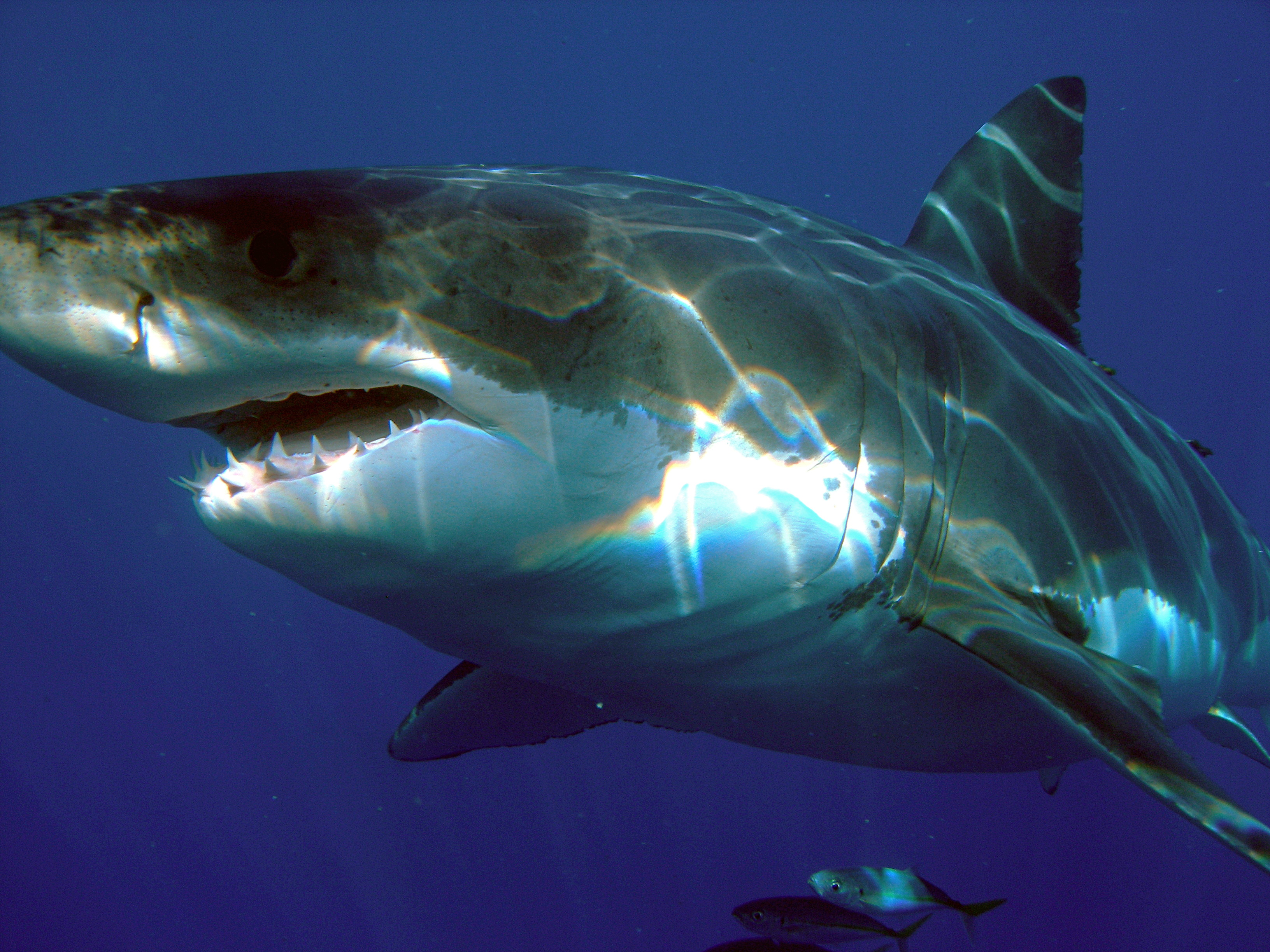
SHARK,
GREAT WHITE
(Carcharadon
carcharius)
Bite 18W+4, Tough Skin
+5, Large 2W2, Scent Blood
18W, Strong 18W, Swim Fast 15W
Distribution:
Rozgali, Sshorg and Marthino Seas,
Homeward Ocean
Habitat: Salt
water
One
of the largest and most dangerous of fish, great white sharks are often
twenty
five feet or more in length. A great white will attack any living thing
that is
large enough to make a meal, but will be driven into a violent frenzy
by the
taste of blood in the water, even at a distance of up to half a mile
away.
Their most common prey are seals, dolphins and smaller sharks. These
sharks
attack with repeated lunges, and try to bite great chunks of flesh from
their
victims, so that they rapidly bleed to death.
Smaller
Sharks
Bite 10W+3, Tough Skin
+4, Large 12W, Scent Blood 18W, Strong 10W, Swim Fast 15W
Distribution:
Worldwide
Habitat:
Salt water
While
the great white is the largest of their kind, many smaller varieties of
shark
also exist. Sharks are found in all oceans of Glorantha, although they
are more
common further south, and those dangerous to humans or mermen include
such
varieties as the lemon shark, mako shark and hammerhead.
|
|
STING
RAY
(Dasyatis
marthino)
Sting 2W, Ambush 8W, Dodge Attack
18, Hide 10W
Venom: Debilitating, Lethal, Potency 18
Distribution:
Sshorg, Dashomo and Togaro seas.
Habitat:
Coastal waters
Sting
rays are slate-grey tropical fish with a flattened, diamond-shaped body
and a
whip-like tail. They live on the bottom of shallow seas, and spend much
of
their time partially concealed beneath sand or silt. When a suitable
prey fish
passes by, the sting ray erupts from the sand and snaps at it with its
jaws. A
sharp spine is located near the base of the tail, and can inject venom
into a
predator which attempts to eat the fish. A fresh water species lives in
the
rivers and lakes of Errinoru and Kothar, and is essentially identical
to its
salt water cousin apart from the distinctive black-ringed yellow spots
on its
brown body. If the sting ray
is disturbed, for example by a human swimmer, it can whip its tail
about and
use the sting defensively. The venom can cause intense pain in the
victim,
although it only occasionally proves fatal to humans.

|